



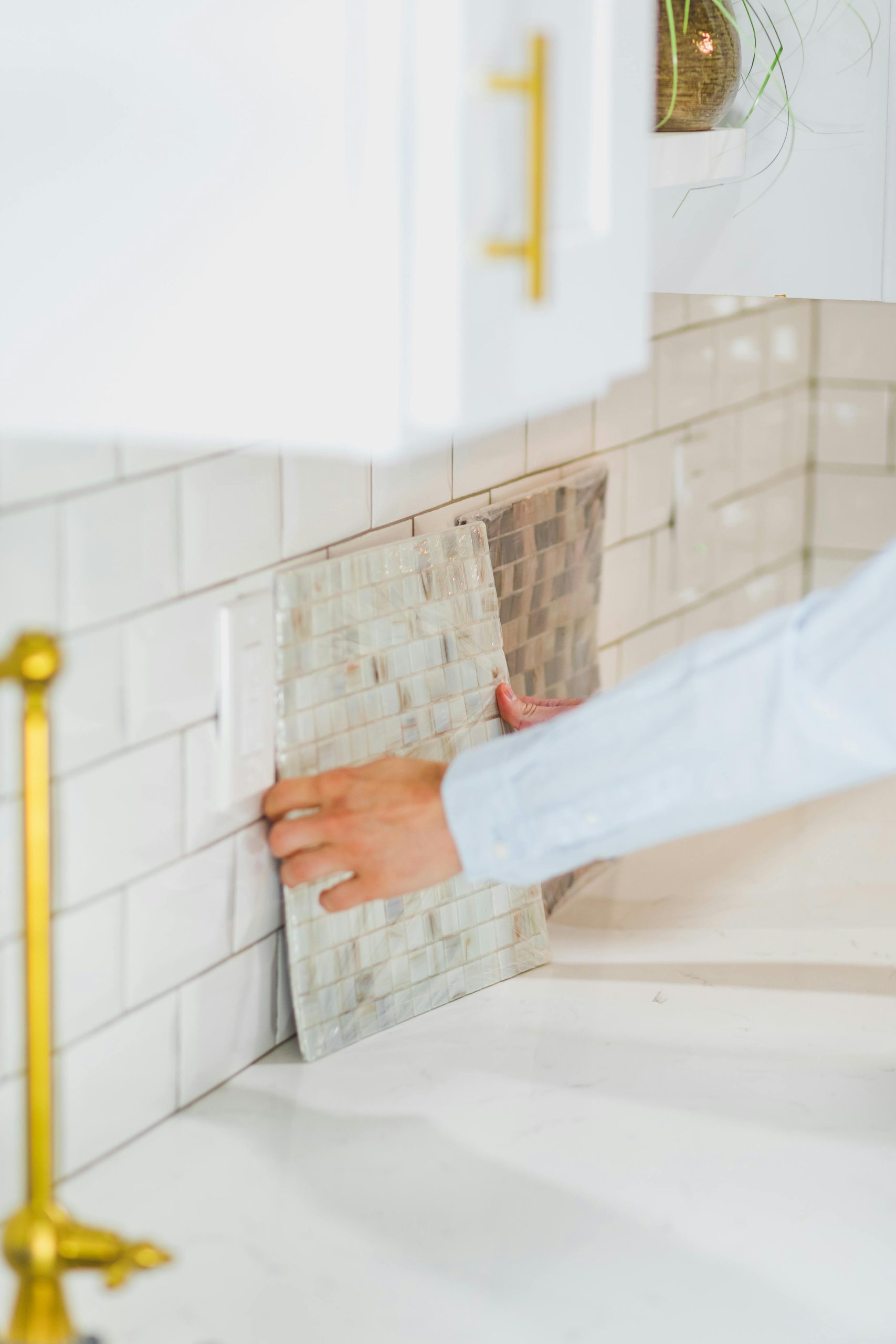
A well-designed tile backsplash can completely transform your kitchen. Beyond protecting your walls from moisture, grease, and stains, it adds personality, texture, and value to your home. Whether you’re planning a small refresh or replacing backsplash materials during a full remodel, learning the right process makes all the difference.
In this comprehensive guide, you’ll learn how to install tile backsplash properly, what tools you need, common mistakes to avoid, and when it’s best to call professionals. If you’re ready to upgrade your kitchen, this step-by-step resource will walk you through backsplash install like an expert.
Why Choose a Tile Backsplash for Your Kitchen?
A tile backsplash offers both beauty and function. It protects drywall from water damage near sinks and cooking areas while creating a focal point behind your stove or countertop.
Here’s why homeowners prefer tile:
- Easy to clean and maintain
- Resistant to moisture and stains
- Available in endless styles (ceramic, porcelain, glass, stone)
- Adds resale value
- Durable for long-term performance
If you’re replacing backsplash materials that are outdated or damaged, tile remains one of the most reliable and visually appealing choices.
Tools and Materials Needed for Backsplash Install
Before you begin your backsplash install, gather the necessary tools:
- Tile of your choice
- Tile adhesive or thin-set mortar
- Notched trowel
- Tile spacers
- Level
- Tile cutter or wet saw
- Measuring tape
- Grout
- Grout float
- Sponge
- Caulk
Having the right materials ensures your tile backsplash installation goes smoothly and avoids uneven lines or loose tiles.
Step 1: Prep the Wall Surface
Preparation is critical when learning how to install backsplash tile correctly.
- Remove outlet covers and switch plates.
- Clean the wall thoroughly to remove grease and dust.
- Lightly sand glossy paint to help adhesive bond properly.
- Repair any holes or uneven areas.
If you are replacing backsplash materials, remove old tiles carefully using a pry bar and scraper. Ensure the wall surface is flat before beginning a new backsplash install.
A clean and smooth base ensures your tile backsplash adheres securely and lasts for years.
Step 2: Plan and Measure the Layout
When learning how to install tile backsplash, layout planning prevents awkward cuts and uneven rows.
- Measure the area width and height.
- Mark the centerline of the wall.
- Dry-fit tiles to see how they align.
- Adjust the starting point to avoid tiny edge cuts.
Use a level to draw a straight guideline. Proper layout planning ensures a professional finish and reduces installation errors.
Step 3: Apply Adhesive and Begin Installing
Now comes the main step in how to install backsplash tile properly.
- Apply thin-set mortar using a notched trowel.
- Spread adhesive evenly in small sections.
- Press tiles firmly into place.
- Insert spacers between tiles.
- Check alignment frequently with a level.
Work in manageable sections to prevent adhesive from drying too quickly. A careful backsplash install ensures consistent spacing and strong bonding.
Step 4: Cutting Tiles for Edges and Outlets
Most kitchens require custom cuts around outlets and corners.
- Measure twice before cutting.
- Use a wet saw for precision.
- Dry-fit each cut tile before securing it.
This step is crucial when installing a tile backsplash, especially around tricky areas like stove hoods and window trims.
Step 5: Let Adhesive Cure
Allow the adhesive to cure for 24 hours before grouting. Rushing this step can weaken the backsplash install and cause tiles to shift.
Patience ensures your tile backsplash stays firmly in place and maintains its alignment.
Step 6: Grouting the Tile Backsplash
Grouting completes the look and seals the installation.
- Remove tile spacers.
- Apply grout using a float at a 45-degree angle.
- Press grout into joints thoroughly.
- Wipe excess grout with a damp sponge.
- Buff haze after drying.
Proper grouting enhances durability and protects your kitchen walls from moisture infiltration.
Step 7: Sealing and Finishing Touches
After grout cures, apply sealant if necessary (especially for natural stone). Add caulk along countertop seams and corners.
Reinstall outlet covers and admire your completed tile backsplash.
Common Mistakes to Avoid During Backsplash Install
Even experienced DIYers can make mistakes. Avoid these common issues:
- Skipping surface preparation
- Not checking tile alignment regularly
- Applying too much adhesive
- Cutting tiles inaccurately
- Using incorrect grout type
If your current kitchen needs updating and you’re replacing backsplash materials, consider consulting professionals to avoid costly repairs later.
When to Hire a Professional Installer
While learning how to install backsplash can be rewarding, some situations require expert handling:
- Complex mosaic designs
- Uneven walls
- Natural stone tiles
- Large kitchen areas
- Full replacing backsplash projects
Professional installers ensure precise alignment, long-term durability, and a flawless finish.
If you want a seamless backsplash install without stress, working with specialists can save time and prevent mistakes.
Choosing the Right Tile Backsplash Style
Your tile selection influences the overall feel of your kitchen.
Popular styles include:
- Subway tile for classic appeal
- Marble tile for luxury aesthetics
- Glass tile for modern shine
- Patterned ceramic for bold design
- Textured stone for rustic warmth
Before committing, consider lighting, cabinet color, and countertop material. The right tile backsplash complements your kitchen design rather than overwhelming it.
Maintenance Tips for Long-Lasting Results
After installing your tile backsplash, maintain it properly:
- Wipe spills immediately
- Use non-abrasive cleaners
- Reseal grout annually if needed
- Inspect caulk lines regularly
Proper care keeps your backsplash looking fresh and prevents long-term damage.
Cost Considerations for Tile Backsplash Installation
Costs vary depending on tile type and labor.
- DIY installation saves labor costs
- Natural stone increases material expense
- Custom designs raise installation time
- Professional services ensure longevity
If you’re unsure about how to install tile backsplash correctly, investing in professional help may be more cost-effective in the long run.
Final Thoughts on Installing Tile Backsplash
A professionally installed tile backsplash enhances your kitchen’s style, protects your walls, and increases property value. Whether you choose to learn how to install backsplash tile yourself or hire experts, careful planning and quality materials are key.
If you’re considering replacing backsplash materials or starting a fresh backsplash install, take time to evaluate your layout, tile choice, and skill level.
Ready to upgrade your kitchen? Explore premium backsplash options and expert installation guidance at https://southwesttile.net/. Their experienced team understands materials, layout precision, and long-term durability—ensuring your project is handled with craftsmanship and attention to detail. Whether you need design advice or full installation services, they help bring your vision to life. Contact them today to transform your kitchen with a stunning tile backsplash that stands the test of time.